
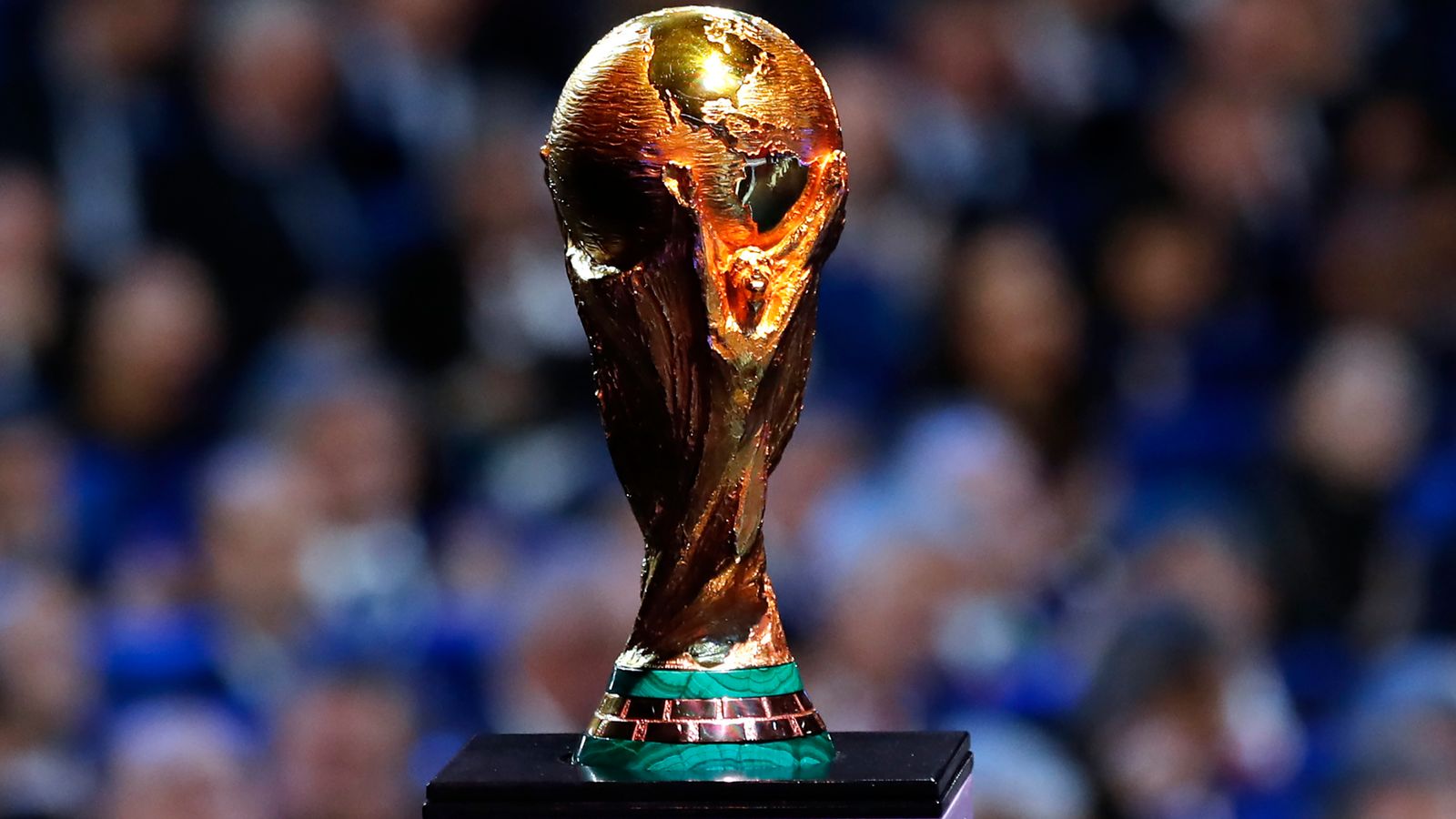
The World Cup returns to North America with a bigger bracket and thinner margins. Forty-eight teams means fewer safe days for the favourites and more jeopardy for anyone who cannot rotate.

Spain open as the most complete side. The European champions move the ball with purpose and defend without panic. They have variety in wide areas, control in midfield and goals spread across the front line. In a long tournament, that balance travels.
Argentina remain built for tournament football. Lionel Scaloni’s group manage tempo, absorb pressure and finish periods of dominance with ruthless efficiency. Lautaro Martínez gives them a focal point. The question is not Messi’s minutes, it is whether the midfield can keep the same control against younger legs on short rest.
France carry the deepest pool of finishers. Kylian Mbappé shifts any game on his own, yet it is the spine behind him that keeps them alive when the match tilts. If the full backs hold up through the travel, they will be around on the final weekend.
Brazil have regained clarity. Vinícius Júnior is the spearhead, and the coaching is pragmatic. The centre of the pitch will decide their ceiling. If they find the right blend of ball winners and carriers, they can win the whole thing.

England sit in the next group. Harry Kane remains a reliable finisher. Jude Bellingham gives them vertical threat and poise. The concern is familiar. Can they manage the tight, tactical quarter-final against an elite midfield that starves them of rhythm.
The draw that matters most
This World Cup will reward squads that are comfortable living with the schedule. Recovery, rotation and bench impact will be decisive. The expanded format hands third-place lifelines to several teams. It also sets traps for favourites who coast through group games and then run into hardened opponents on short turnarounds.
Dark horses with real teeth
Morocco defend with structure and rarely gift chances. Senegal can drag anyone into an athletic fight and like it there. Japan’s pressing is rehearsed and relentless. If the bracket opens on their side, they can take a heavyweight the distance. Portugal and the Netherlands both carry enough match-winners to sprint through a soft quarter.
The hosts are a storyline. The United States have pace, depth and home comfort. Game management remains the swing factor. If they handle moments better than they did in Qatar, a quarter-final is within reach.
Breakout watch
A 48-team World Cup brings new energy. Debutants from Asia and Africa have the organisation to hang around when third place can still mean survival. The lesson from recent tournaments holds. One disciplined side with set-piece threat and a fearless winger will gate-crash the last eight.
What will actually decide it
Travel corridors. Midday heat in some venues. The ability to win a game that has gone flat. Teams that lean on only 13 or 14 players will feel the load first. Squads that trust substitutions early will grow into the month.
The call
Winners: Spain
Runners-up: Brazil
Other semi-finalists: Argentina and France
Best of the rest: England, Morocco, Portugal and Japan in the quarter-final mix. The United States are the wild card if the draw falls kindly.
Spain get the vote because they control chaos without losing edge. Brazil look most likely to meet them in a final that turns on one mistake or one moment of brilliance. In a tournament this large, those moments will come. The teams that are calm when they do will still be standing.