
Sometimes change does not come from revolution. It comes from removing the noise.
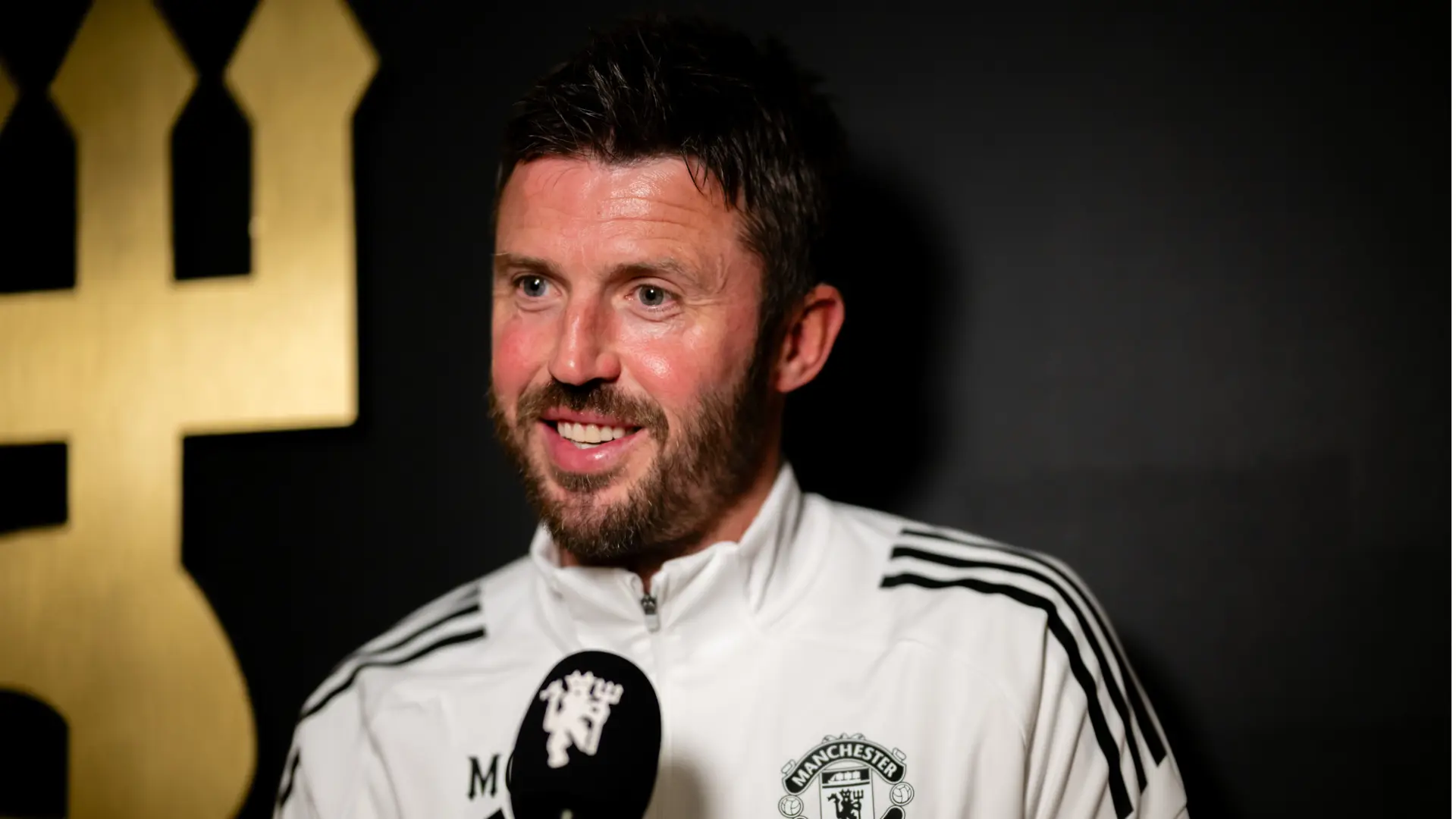
Michael Carrick did not arrive promising a new era or a tactical manifesto. He did something far simpler and far more effective. He stopped forcing a broken squad to play a game they did not understand and let them play the one they did.
Almost overnight, Manchester United looked lighter. Quicker. More recognisable. This was not about genius tweaks or hidden innovations. It was about clarity, trust and restraint.
Here is what actually changed.

He walked away from system obsession
Ruben Amorim wanted control. His idea was detailed and demanding. A back three. Wing backs hitting precise timing points. Attacking patterns drilled until they became muscle memory.
When it clicked, it looked sophisticated. When it did not, United looked paralysed. Players waited for instructions that never arrived in time. Movement slowed. Risk vanished.
Carrick stripped it back.
The back four returned. Positional micromanagement disappeared. Players were no longer tethered to invisible zones. The message was basic and refreshing. Play football first.
That alone made United look faster. Decision making improved because players were no longer processing diagrams before passing the ball.

Midfield finally made sense
Carrick’s biggest fix was central.
Under Amorim, the midfield often felt crowded and confused. Too many players occupying similar spaces, too few clear passing lanes. Possession without purpose.
Carrick rebalanced it with almost old school logic.
One player to sit and protect.
One to move the ball forward.
One to run and connect.
Roles were simple. Spacing was clear. Suddenly midfielders had angles to pass into instead of teammates standing beside them. The game opened up immediately.
The ball started moving with intent
Tempo is not just aesthetic. It is psychological.
Under Carrick, the ball moved quicker and more directly. Sideways recycling was reduced. Forward passes came earlier. One and two touch football became the default rather than the exception.
That speed stretched opponents. Defensive blocks had less time to organise. Even before results shifted, the football felt sharper and more aggressive.
Fast football always looks better, but it also forces mistakes.
Attackers were allowed to be attackers
Carrick did not over coach the final third.
Wide players stayed wide instead of drifting inside on cue. Forwards made their own runs. Midfielders attacked space when they saw it rather than waiting for permission.
That freedom brought chaos, and chaos is poison for defenders.
You could see it in the details. More dribbles. More shots from open play. More bodies arriving in the box. United became unpredictable again, something they had not been for a long time.
The emotional reset mattered most
Tactics explain shape. They do not explain confidence.
Carrick removed pressure the moment he arrived. There was no talk of projects or philosophies. No long term framing. Instructions were short and clear.
Players relaxed. Shoulders dropped. Trust replaced fear.
When footballers feel controlled, they play safe. When they feel trusted, they take risks. Performance often spikes quickly as a result.
The difference in one sentence
Amorim tried to build a system first and fit players into it.
Carrick tried to get players enjoying football again and let structure follow naturally.
That is why United looked more entertaining almost immediately.
It was not magic. It was relief.