
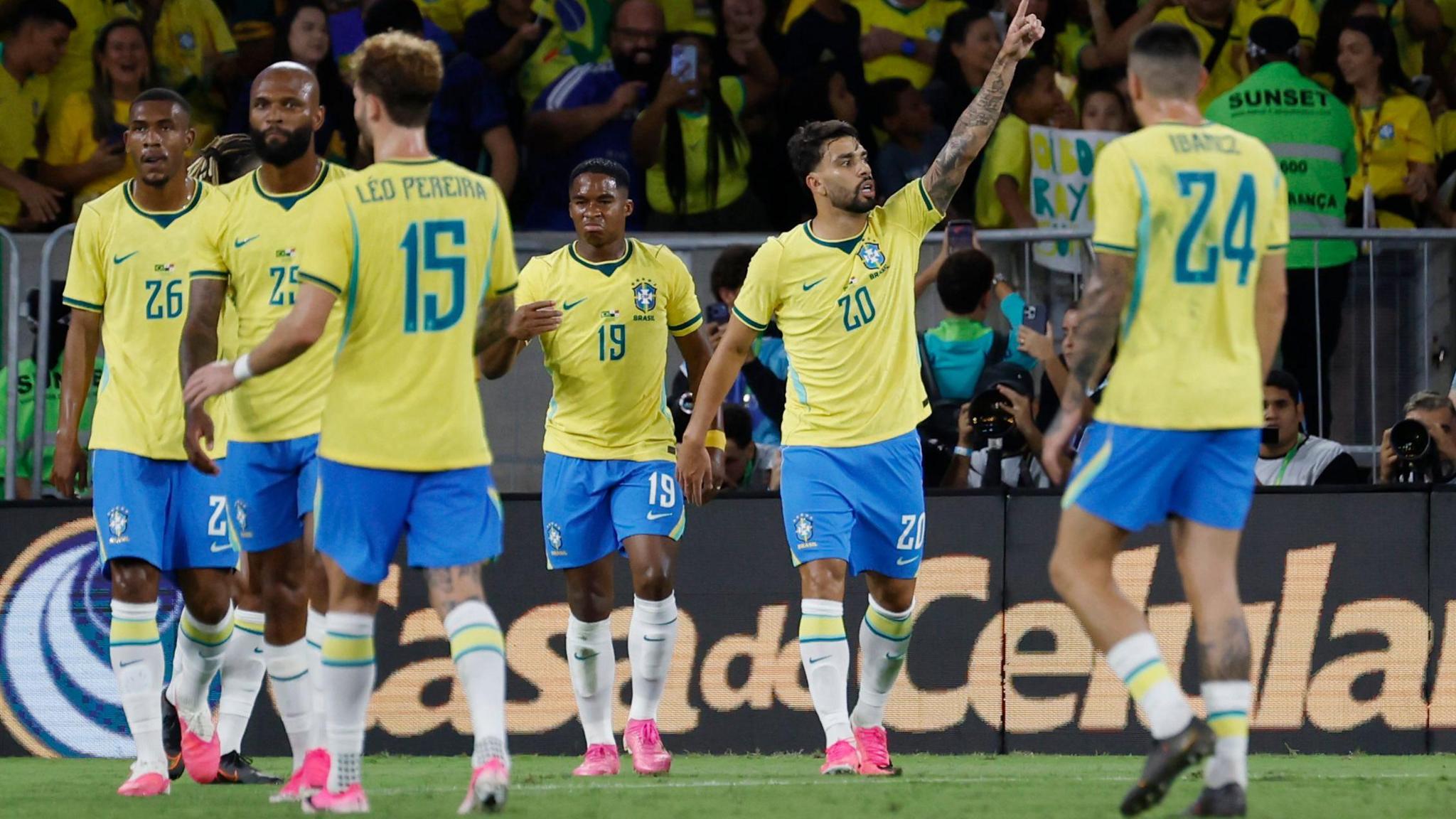
As the first World Cup to feature 48 teams, many critics feared the expanded format would create one-sided matches and widen the gap between football’s traditional powerhouses and smaller nations. Instead, the opening week has produced one surprise after another, proving that the global game is more competitive than ever.
Morocco once again demonstrated why they remain one of football’s most respected emerging powers by holding Brazil to a 1-1 draw. The North Africans frustrated one of the tournament favourites with disciplined defending, intelligent pressing and a belief that they belonged on the same field as the five-time world champions.
Japan also made headlines by battling to a 2-2 draw against the Netherlands. Rather than being overwhelmed by one of Europe’s strongest teams, the Japanese showed remarkable composure and technical quality, earning a result that could prove crucial in the race for qualification.
Perhaps the most fascinating aspect of World Cup 2026 is how quickly the gap between football’s traditional elite and the rest of the world is shrinking. Nations that were once considered outsiders now arrive at the World Cup with players competing in Europe’s top leagues, advanced coaching structures and growing confidence on the international stage.

The expanded tournament has also given countries the opportunity to showcase their football development on the world’s biggest platform. For nations such as Cape Verde, making their World Cup debut represents more than just participation. It is a chance to inspire future generations, attract investment into football programmes and prove they can compete against the world’s best.
This trend reflects a broader transformation within global football. Talent is no longer concentrated in a handful of countries. Modern scouting networks, international academies and professional leagues across Africa, Asia and North America have helped create a new generation of players capable of challenging established football powers.
For supporters, these surprises are exactly what make the World Cup special. While fans will always be drawn to stars such as Kylian Mbappé, Lamine Yamal, Vinícius Júnior and Jude Bellingham, the tournament’s magic often comes from unexpected stories. It comes from the smaller nation earning a famous draw, the underdog upsetting a favourite, or a little-known player becoming a household name overnight.
The opening week of World Cup 2026 has shown that football’s future is increasingly global. The traditional giants remain powerful, but they can no longer expect easy victories. Every nation believes it has a chance, and that belief is translating into performances on the pitch.
If the first few days are anything to go by, the biggest story of World Cup 2026 may not be who wins the trophy. It may be the rise of the underdogs and the emergence of a more competitive, unpredictable and exciting world game than ever before.