
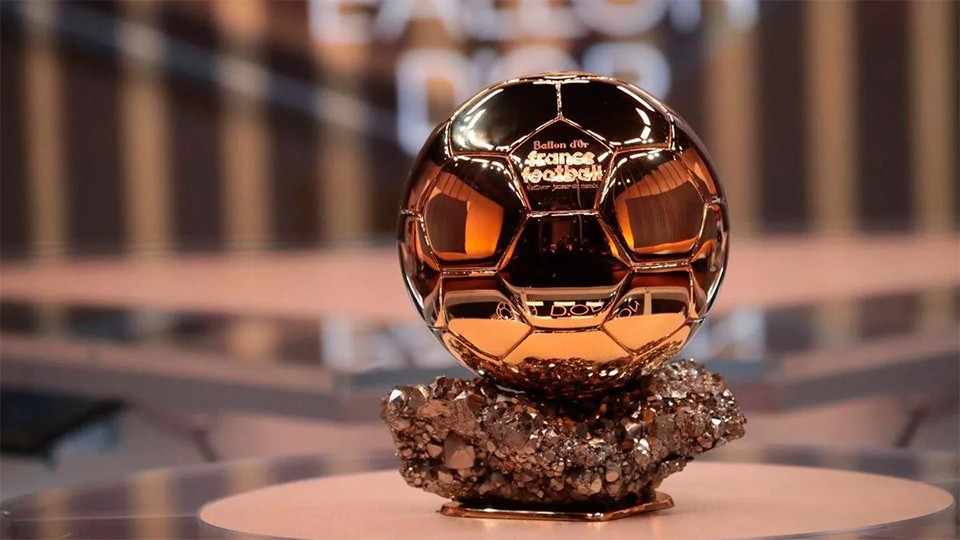
The Ballon d’Or is supposed to reward the best footballer in the world, but in reality it tells a story. It reflects trophies, timing, narrative, and moments that linger in memory long after the final whistle. Form matters, but context matters more.
As 2025 unfolds, the race is wide open. There is no single dominant figure the way there has been in previous eras. Instead, a group of players are shaping a year that feels genuinely competitive at the top.
What Actually Wins the Ballon d’Or Now
The criteria have shifted. Individual brilliance alone is rarely enough. Voters look for a combination of elite performance, leadership, and silverware.
Champions League success still carries enormous weight. So does international impact. Big goals in big matches often matter more than consistent excellence across 38 league games.
With that in mind, 2025 is shaping up to be decided by moments rather than numbers.

The Leading Contenders
Kylian Mbappé remains the reference point. His output, visibility, and ability to define high-stakes matches keep him permanently in contention. If he leads a Champions League run or delivers a statement season domestically, the narrative writes itself.
Erling Haaland is harder to ignore when trophies follow. His goal record alone forces voters to pay attention, but the Ballon d’Or case strengthens dramatically if those goals decide knockout ties. Efficiency wins tournaments, and Haaland is the most efficient striker in the world.
Jude Bellingham has something many others lack. Influence across every phase of the game. He scores, he presses, he leads. If his club dominates Europe again, it becomes difficult to argue against a midfielder who controls matches at the highest level.
The Tactical Stars Gaining Recognition
Modern football is slowly broadening what greatness looks like.
Rodri’s importance to Manchester City has changed how defensive midfielders are valued. If City’s success continues and his role remains central, a player like him becomes impossible to ignore. Control, intelligence, and reliability are finally being rewarded.
Kevin De Bruyne, if fully fit, still defines matches with moments of clarity others cannot produce. The question is not quality, but durability. A healthy year keeps him firmly in the conversation.
These are players whose brilliance is less flashy, but arguably more decisive.
The Dark Horses
Every Ballon d’Or race has outsiders who need the right combination of trophies and timing.
Vinícius Júnior is one. His growth into a complete attacker makes him a genuine contender rather than a highlight player. If Real Madrid dominate Europe again, his case strengthens rapidly.
Mohamed Salah continues to produce elite numbers regardless of circumstance. If Liverpool find success domestically or in Europe, voters may be forced to revisit his consistency over spectacle.
Another name to watch is Jamal Musiala. If Bayern’s season clicks and he becomes their clear creative leader, his profile could rise quickly.
Why 2025 Feels Different
This year lacks a single obvious favourite. That is what makes it compelling.
The Ballon d’Or may come down to a Champions League semi-final goal, a final performance, or a defining international window. One moment can tip the balance.
The era of automatic winners is over. Reputation helps, but it does not decide the vote alone.
The Verdict So Far
If the award were decided today, it would come down to a familiar trio. Mbappé, Haaland, and Bellingham.
But football rarely follows a straight line. Injuries, form dips, and unexpected triumphs reshape the picture quickly.
That uncertainty is what makes the Ballon d’Or matter again. In 2025, the race is alive.