
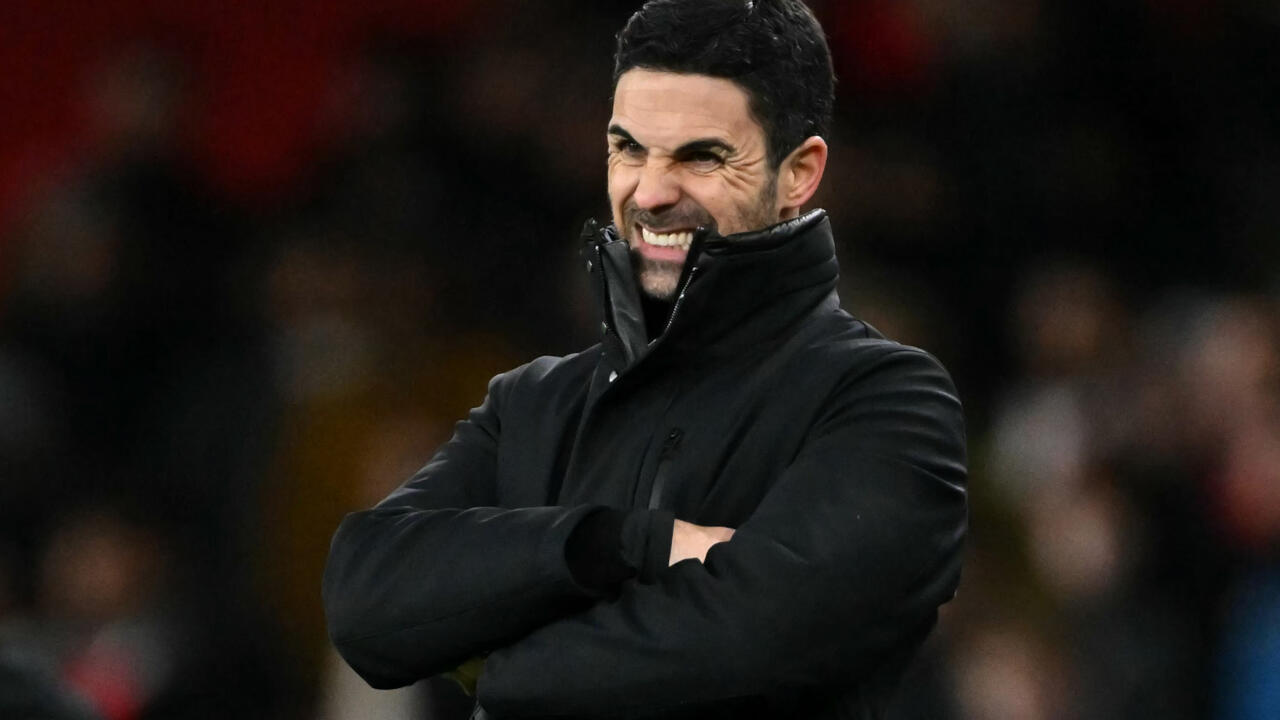
The debate over Premier League refereeing has erupted once again, with Arsenal boss Mikel Arteta at the center of the storm. Following a controversial decision against his side, Arteta launched into a scathing attack on the officiating standards in England’s top flight, leading to accusations that he is fueling corruption narratives within the game. But is Arteta just voicing what many fans and pundits have been thinking for years?

The Incident That Sparked the Outrage
During Arsenal’s clash with Wolverhampton Wanderers, referee Michael Oliver sent off Arsenal youngster Myles Lewis-Skelly for a challenge on Matt Doherty. The decision, which was upheld by VAR, left Arteta and Arsenal supporters fuming. In his post-match comments, Arteta labeled the officiating as “embarrassing” and “unacceptable,” reigniting the long-standing debate over refereeing consistency in the Premier League.
His comments quickly went viral, with Arsenal fans rallying behind their manager, but others criticized him for what they saw as an overly aggressive stance against referees.
Gary Neville Defends Michael Oliver
In the wake of Arteta’s remarks, former Manchester United defender and Sky Sports pundit Gary Neville came to the defense of Michael Oliver, widely regarded as one of the best referees in the game. Neville warned that managers publicly criticizing officials in such strong terms could contribute to a toxic culture in football, where referees are vilified and their authority is constantly undermined.
Neville’s comments highlight a broader issue in the Premier League: the growing distrust between managers, fans, and referees. Every weekend, controversial decisions are scrutinized, analyzed, and debated, leading to an increasing sense of frustration among clubs and supporters alike.

Referee Abuse and Safety Concerns
Unfortunately, the fallout from the incident took a dark turn. Michael Oliver became the target of online abuse, with threats directed at him and his family. The Professional Game Match Officials Limited (PGMOL) condemned the abuse as “abhorrent” and confirmed that law enforcement agencies were investigating the matter.
This isn’t the first time referees have faced such hostility. Over the past few years, officials have received death threats, been harassed online, and faced relentless scrutiny from fans and the media. The question remains: has football’s culture become too toxic when it comes to officiating?
Arteta Calls for a Cultural Shift in Football
Despite his initial fury at the officiating, Arteta later addressed the abuse directed at Oliver, calling for a change in football culture. The Arsenal manager emphasized that referees, like players and coaches, are human beings and should not be subjected to threats or abuse.
“We need to get this hatred out of football,” Arteta stated, urging fans to channel their passion in a more constructive way.
His words reflect a growing concern in the sport: while passionate debates over refereeing decisions are part of football’s DNA, the line between criticism and outright abuse is becoming increasingly blurred.

The Bigger Picture: Premier League Officiating Under the Microscope
The controversy surrounding Arteta’s comments and Oliver’s decision is just another chapter in the ongoing saga of Premier League refereeing standards. Inconsistencies in officiating, the controversial use of VAR, and the lack of transparency in decision-making have led to growing discontent among clubs and fans.
Many have called for referees to be held more accountable, suggesting that post-match interviews or increased access to decision-making processes could help bridge the gap between officials and the public. Others argue that the Premier League should consider adopting a model similar to rugby, where referees are mic’d up to provide real-time explanations for their decisions.
Conclusion: A Crisis That Needs Addressing
Mikel Arteta’s outburst may have been emotional, but it tapped into a larger issue that has been simmering beneath the surface for years. Premier League referees are under immense pressure, and the perception of bias or incompetence only adds fuel to the fire.
While Arteta’s frustrations are understandable, the response from fans—especially the abuse directed at Oliver—shows that the relationship between referees and the football community is at breaking point. The Premier League must act swiftly to address these concerns, whether through better training for officials, improved VAR implementation, or greater transparency in decision-making.
Until then, the cycle of controversy, anger, and distrust looks set to continue.