
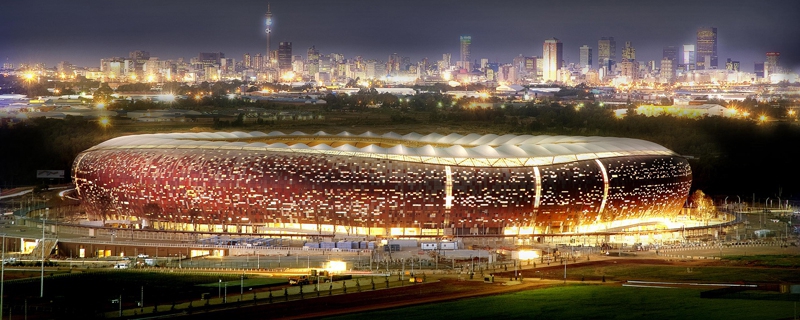
Football has always been about passion, loyalty, and the energy of the crowd. Step into a modern stadium today, and it feels far removed from the old grounds where the game first captured the hearts of fans. Over the years, stadiums have gone through huge changes. At the same time, ticket prices have followed their own path, and that story is just as important.
Simple Grounds and Affordable Tickets

In the early days, most football grounds were built to hold large numbers of supporters with little attention to comfort. Stands were bare and concrete terraces were common. Facilities were minimal. Fans came to watch the game, not to be entertained by anything else. Tickets were inexpensive, which meant the sport was accessible to almost anyone. Families could attend together without worrying too much about the cost.
A Shift Toward Safety and Comfort
The late twentieth century brought big changes. Tragedies and accidents made it clear that stadiums needed to be safer. Terraces were replaced by all-seater designs, and clubs invested in better planning, stewarding, and facilities. Comfort became part of the experience. These upgrades cost money, and ticket prices rose to cover the changes. Football began to feel less like a cheap outing and more like a paid event.
The Super Stadium Era
In the last twenty years, many clubs have built new stadiums or redeveloped old ones into state-of-the-art venues. Large screens, high-quality seating, better food, fast Wi-Fi, and even fine dining are now part of the package. Stadiums are no longer just about the ninety minutes on the pitch. They are designed as full entertainment complexes. The result is that tickets, especially at top clubs, can cost hundreds of pounds or even thousands for a season pass. For many casual supporters, attending a match has become a rare treat rather than a regular habit.
Efforts to Keep Football Accessible
Not every club has followed the same path. Some leagues have introduced measures such as capped away tickets, family bundles, or reduced youth pricing. Clubs also test dynamic pricing, where tickets for certain matches cost less to fill seats. These ideas are meant to protect football’s reputation as the people’s game, but they compete with the pressure to generate more revenue from modern stadiums.
The Future of Matchday
Technology will keep pushing stadiums forward. Augmented reality, personalised experiences, and smarter services will probably appear in the coming years. The challenge will be making sure fans are not priced out. Clubs face a choice. They can keep building luxury experiences for the few, or they can work harder to keep the game accessible for the many. The atmosphere of football has always come from the fans, and protecting that should matter as much as the shine of a new stadium.