
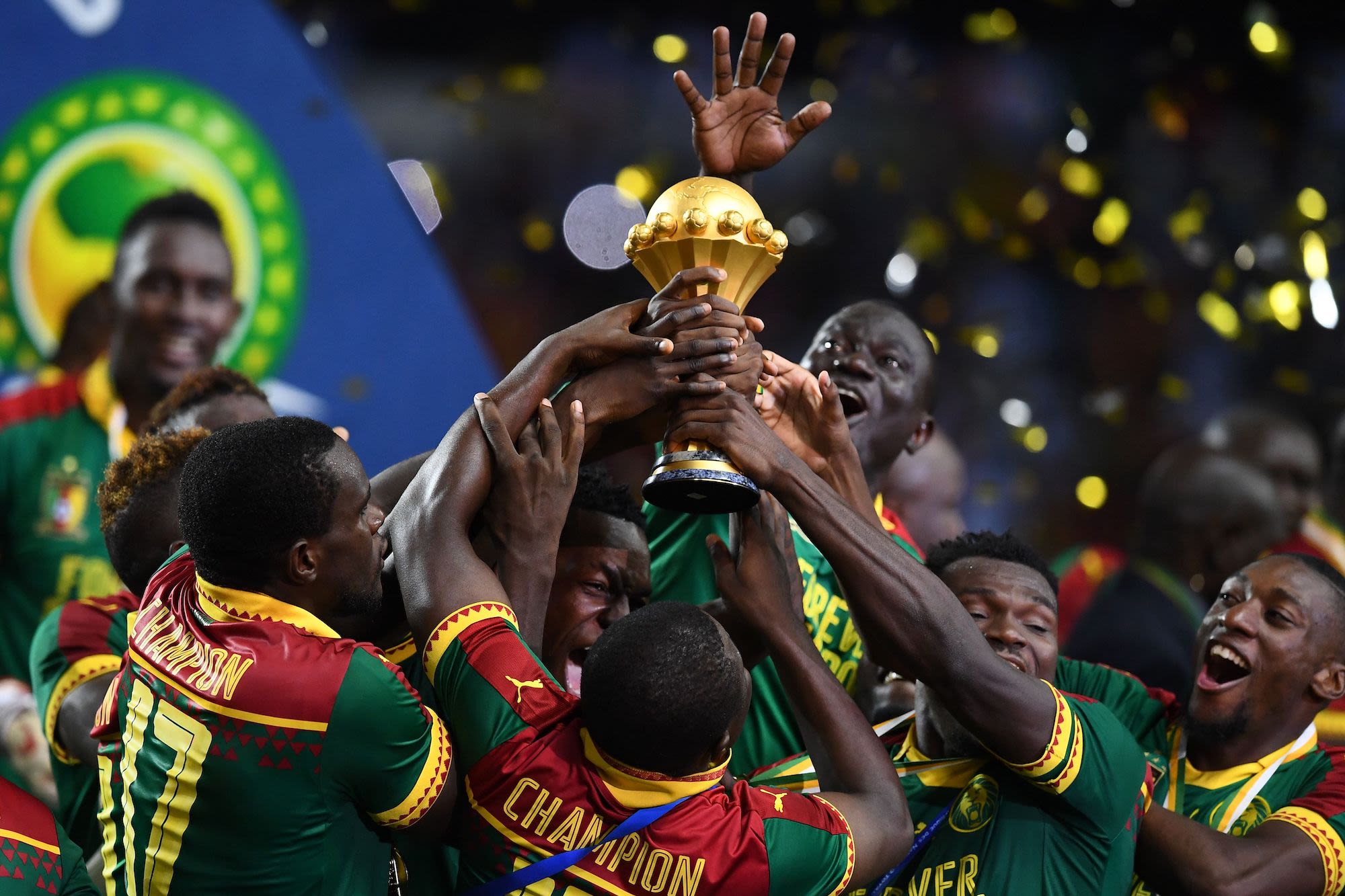
Every time AFCON arrives, English football reacts like someone has moved the furniture without asking.
Managers complain. Fans panic. Pundits talk about “disruption” as if African football has committed a scheduling crime.
It is the same cycle every time, and it completely misses the point.
AFCON does not weaken the Premier League. It exposes it, refreshes it, and quietly improves the product.
This season’s tournament lands right in the heart of winter, colliding with the festive fixture pile-up that already stretches squads to breaking point. That is why the noise feels louder. But noise is not the same thing as damage.
If anything, this is when the Premier League becomes most honest.

AFCON is the league’s annual reality check
The Premier League loves to sell itself as the deepest league in the world. AFCON is the moment where that claim is audited.
When players like Mohamed Salah, Mohammed Kudus, Nicolas Jackson, Yves Bissouma, Bryan Mbeumo or Wilfred Ndidi leave, excuses disappear. There is no hiding behind “bad luck” or “unusual circumstances”.
You either built a squad with structure, balance and foresight, or you didn’t.
The best run clubs do not collapse during AFCON. They adjust. They rotate. They survive. Sometimes they even improve.
The poorly run ones look shocked, even though they knew the tournament was coming years in advance.
AFCON does not create problems. It reveals them.
It brings chaos to a league that desperately needs it
One of the Premier League’s quiet problems is how predictable it can become.
By autumn, the title race often starts to feel like a procession. The same clubs hoard points. The same conversations repeat. Money smooths out the drama.
AFCON interrupts that flow.
Suddenly, elite teams have to win without their comfort players. Mid table sides face opponents at their most vulnerable. Matches stop feeling like exercises in inevitability.
That instability is not a flaw. It is oxygen.
Football thrives on uncertainty. AFCON injects it at exactly the moment the league risks becoming mechanical.

AFCON forces clubs to stop pretending about youth
Academies are fashionable in England. Everyone loves a pathway slide in a presentation.
AFCON turns that marketing language into reality.
When senior players leave in numbers, youth prospects either step up or disappear from the conversation entirely. Minutes stop being symbolic. Trust becomes real.
Some clubs discover they prepared properly. Others realise their “pathway” was just a slogan.
For the league, this is a win. New faces emerge. New stories form. Fans get something fresh to care about.
No competition stays compelling if it keeps telling the same story every season.
The Premier League benefits massively from AFCON’s spotlight
This is the part English football rarely acknowledges.
The Premier League is not just a domestic league. It is a global media product, and Africa is one of its most important audiences.
AFCON is the biggest football moment on the continent. When Premier League players dominate that stage, the league receives weeks of indirect promotion without spending a pound.
Players return to England with larger profiles, stronger identities and deeper emotional connections to millions of fans. The Premier League then monetises that attention through broadcasts, sponsorships and narratives.
Salah does not come back smaller after AFCON. Neither does the league that profits from his global reach.
You cannot sell “global” and reject the consequences
The Premier League loves to brand itself as inclusive, international and multicultural.
AFCON is where that branding is tested.
You cannot build your league on African stars and African audiences, then complain when African football asks for time on the calendar.
That contradiction is not unfortunate. It is hypocritical.
Being the world’s league comes with trade-offs. AFCON is one of them.
The truth English football avoids
AFCON does not take anything from the Premier League that the Premier League has not already taken from Africa.
Talent. Attention. Cultural relevance. Commercial value.
AFCON simply asks for space.
And when it gets that space, it makes the Premier League sharper, more unpredictable, more human and more honest.
So yes, January becomes uncomfortable.
But comfort has never made football better.
AFCON doesn’t survive alongside the Premier League.
The Premier League is better because AFCON exists.