
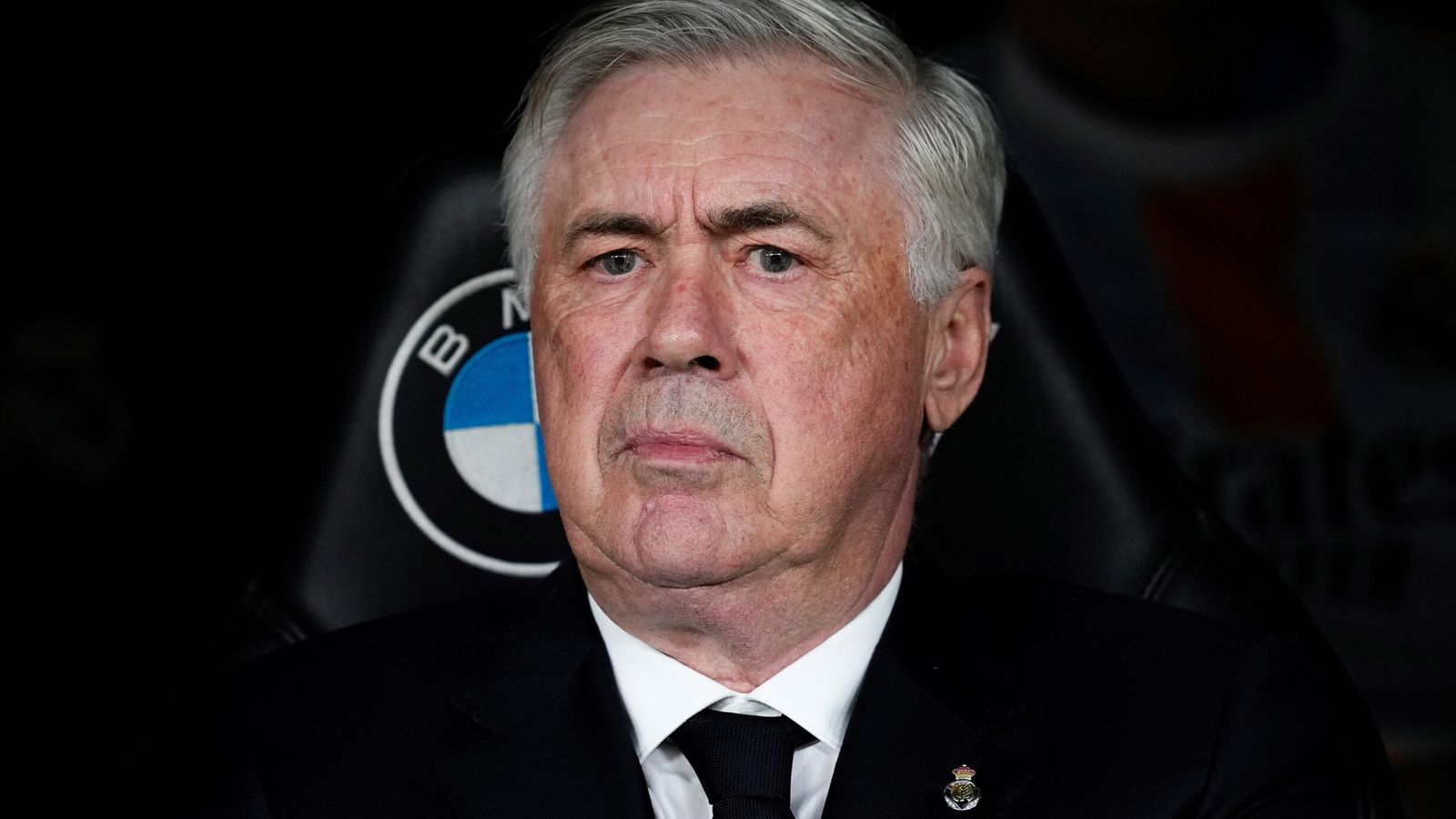
Great managers don’t just win—they shape eras, build dynasties, and leave legacies that echo for decades. From tactical revolutions to silverware galore, these ten men have proven themselves the true giants of the touchline.
Let’s count down the 10 most successful football managers in history, ranked not just by trophies, but by influence, innovation, and impact.

10. Giovanni Trapattoni – The Trophy Collector
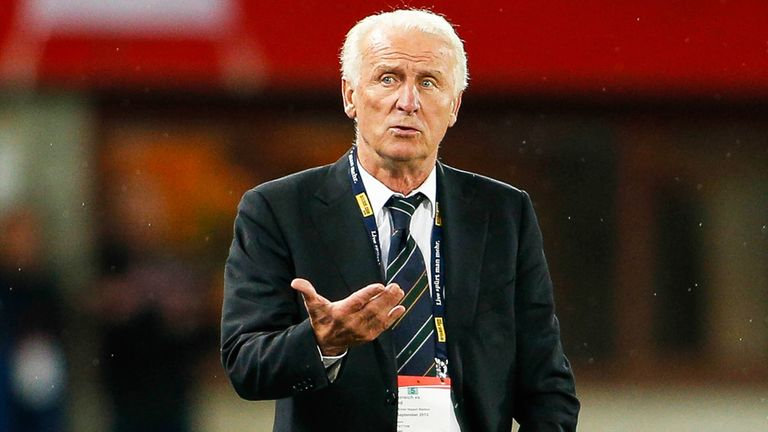
With over 20 major titles, including league championships in Italy, Germany, Portugal, and Austria, Trapattoni was one of the first truly global managers. He won everything at Juventus and later conquered new territories with Bayern Munich and Benfica. He wasn’t flashy—but he was ruthlessly effective.
9. José Mourinho – The Special One
He stormed onto the global stage with Porto’s 2004 Champions League win, then proved he wasn’t a one-hit wonder by collecting league titles with Chelsea, Inter Milan, and Real Madrid. Mourinho’s tactical pragmatism, legendary press conferences, and ability to forge a “siege mentality” made him a modern icon. Two UCL titles, a Europa League, and a UEFA Conference League to top it off? That’s a serial winner.
8. Ottmar Hitzfeld – The Gentleman General
Only two managers have won the Champions League with two different clubs—Hitzfeld is one. He led Borussia Dortmund and Bayern Munich to European glory and racked up seven Bundesliga titles. Known for tactical flexibility and grace under pressure, Hitzfeld helped define German club dominance in the 90s and 2000s.
7. Helenio Herrera – The Godfather of Catenaccio
A pioneer of defensive organization, Herrera took Inter Milan to back-to-back European Cups in the 1960s and brought a tactical ruthlessness that influenced Italian football for generations. At Barcelona and Atlético Madrid, he won La Liga too. Few managers changed the DNA of an entire footballing nation like Herrera.

6. Zinedine Zidane – The Underrated Galáctico Whisperer
Many said Zidane had no experience. He responded by winning three straight Champions League titles with Real Madrid—a feat unmatched in modern football. Add two La Liga titles, two Club World Cups, and a legendary presence in the dressing room, and you’ve got a managerial career that’s already legendary… and he’s only just getting started.
5. Arrigo Sacchi – The Revolutionary
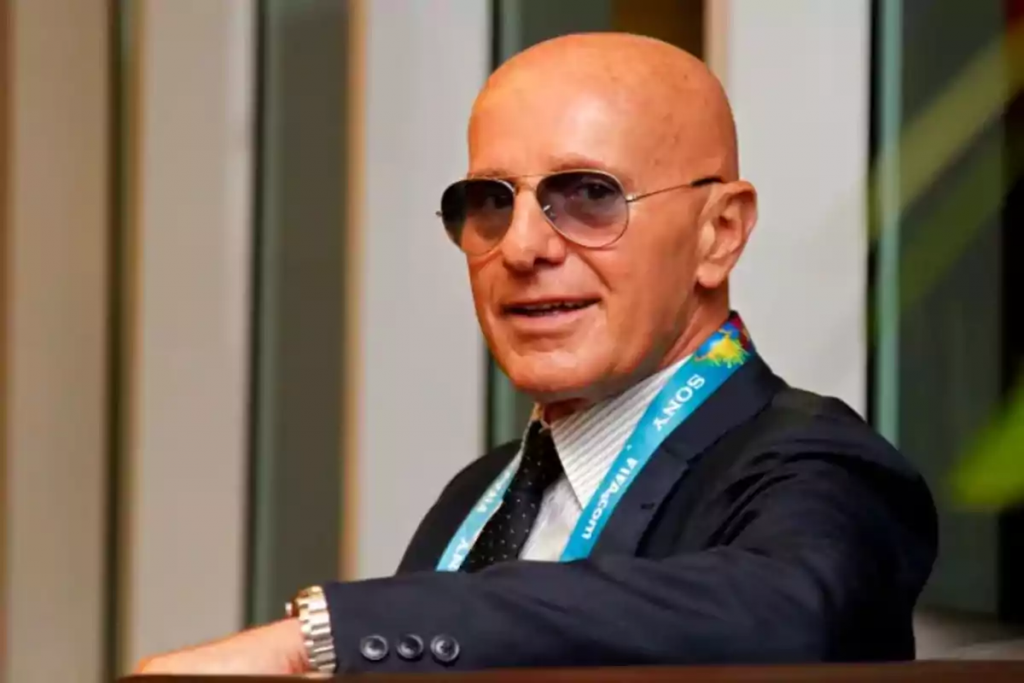
Though he didn’t collect as many trophies as others, Sacchi changed the game forever. His AC Milan side of the late ’80s introduced high pressing, zonal marking, and beautiful football at a time when Italy was all about defense. He won back-to-back European Cups and inspired a generation—including a young Pep Guardiola.
4. Pep Guardiola – The Tactical Artist
He turned Barcelona into the greatest team of the modern era. He dominated Germany with Bayern. And at Manchester City, he reinvented Premier League football—culminating in a historic continental treble in 2023. As of now, Pep has over 35 major trophies. More importantly, his ideas—positional play, inverted full-backs, fluid pressing—have reshaped global football.
3. Carlo Ancelotti – The Calm Conqueror
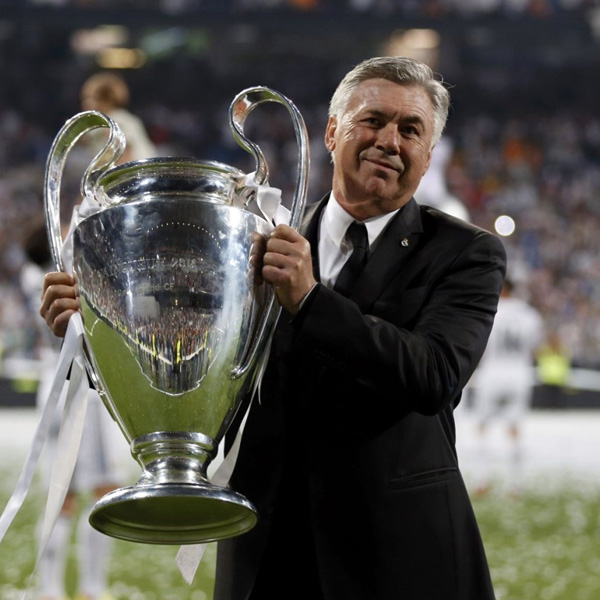
He’s the only manager to win league titles in all of Europe’s “Big Five” leagues and four Champions League trophies—two with AC Milan, two with Real Madrid. Ancelotti’s strength lies in his man-management and tactical versatility. He doesn’t shout—he wins. And he keeps winning.
2. Rinus Michels – The Architect of Total Football
More than just a manager, Michels was a visionary. He birthed “Total Football,” elevated Johan Cruyff, and led the Netherlands to their only major international trophy in 1988. He also conquered Europe with Ajax and revolutionized Barcelona. FIFA named him the Coach of the Century in 1999. Enough said.
1. Sir Alex Ferguson – The Greatest of All Time
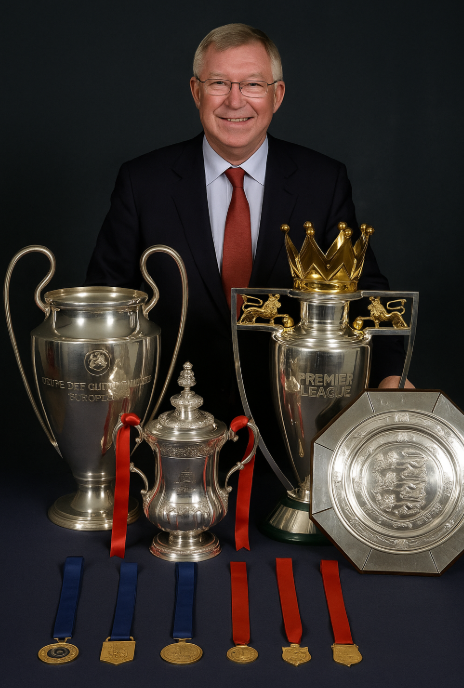
No one comes close. 38 trophies in 26 years with Manchester United—including 13 Premier League titles and 2 Champions Leagues—make Ferguson the most decorated manager ever. But it’s how he did it: rebuilding teams over decades, dominating rivals, and nurturing stars from Giggs to Ronaldo. Fergie didn’t just win—he defined an era.